
December 8, 2025

Memilih sistem pemanas yang tepat untuk hotel bukanlah hal yang mudah. Hal ini berdampak langsung pada pengalaman tamu, tagihan energi bulanan, dan biaya perawatan di masa mendatang. Pada tahun 2024, boiler elektromagnetik telah muncul sebagai teknologi bintang dalam solusi air panas hotel, berkat efisiensi dan stabilitasnya yang luar biasa. Jika Anda mempertimbangkan investasi ini, panduan ini akan menguraikan model-model populer dan memberikan kerangka kerja yang jelas untuk pemilihan.
Boiler tradisional bekerja dengan elemen pemanas yang bersentuhan langsung dengan air, yang seiring waktu menyebabkan penumpukan kerak dan keausan. Boiler elektromagnetik (induksi) mengambil pendekatan berbeda, menggunakan medan magnet untuk secara langsung mengaduk molekul air untuk menghasilkan panas. Metode ini pada dasarnya mencegah penumpukan kerak dan mencapai efisiensi termal yang luar biasa—seringkali lebih dari 98%—secara signifikan memperpanjang umur peralatan.
Bagi operator hotel, hal ini diterjemahkan menjadi manfaat nyata: tagihan energi yang lebih rendah dan lebih sedikit kegagalan dan waktu henti peralatan. Data industri menunjukkan hotel dapat menghemat rata-rata 25% hingga 30% pada biaya pemanasan air. Selain itu, pasokan air panas yang konsisten dan stabil serta pengoperasian yang hampir tanpa suara secara halus meningkatkan kepuasan tamu. Oleh karena itu, peningkatan ke boiler elektromagnetik khusus hotel modern adalah investasi jangka panjang yang cerdas.
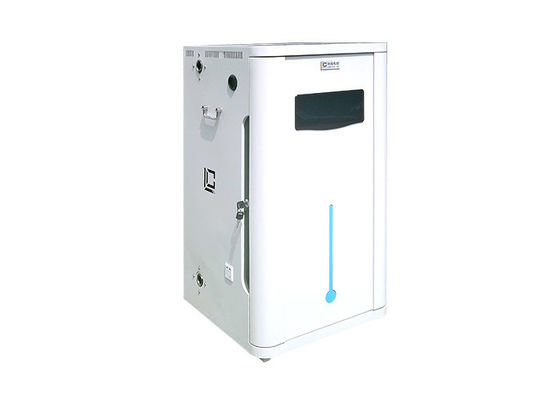
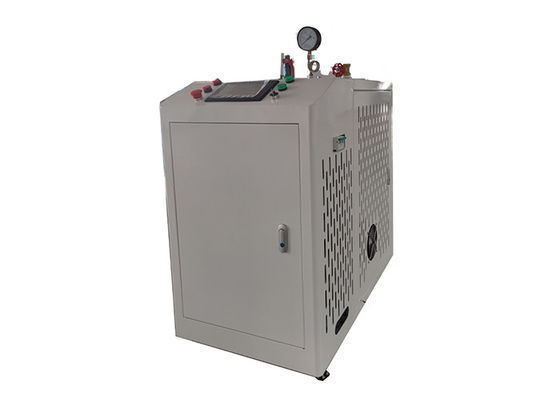
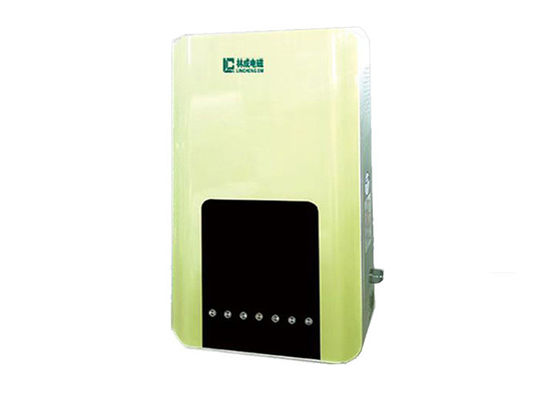
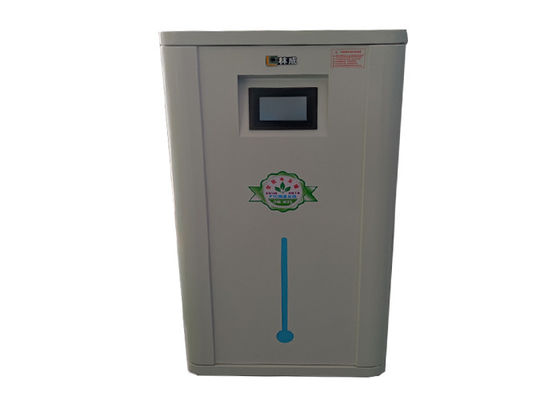
Dengan banyaknya model di pasaran, bagaimana Anda memilih? Berikut adalah lima boiler elektromagnetik komersial yang cocok untuk hotel dengan skala berbeda, masing-masing dengan keunggulannya sendiri:
Saat dihadapkan pada pilihan, ikuti pendekatan terstruktur ini:
Pengingat: Meskipun investasi awal untuk boiler elektromagnetik mungkin lebih tinggi, dengan mempertimbangkan penghematan energi dan umur yang lebih panjang, Total Biaya Kepemilikan (TCO) seringkali lebih menguntungkan. Pastikan untuk menghitung prospek ekonomi jangka panjang selama 5 hingga 10 tahun saat membuat keputusan Anda.
Saat membandingkan berbagai merek boiler elektromagnetik hotel, disarankan untuk memprioritaskan pemeriksaan poin-poin berikut:
Pemasangan profesional sangat penting untuk setiap proyek boiler elektromagnetik hotel. Meskipun sistem ini secara inheren membutuhkan lebih sedikit perawatan, inspeksi tahunan oleh teknisi bersertifikat memastikan mereka tetap dalam kondisi optimal. Penugasan yang tepat bahkan dapat meningkatkan efisiensi operasional hingga 10-15% tambahan—langkah ini tidak boleh dilewati.
Singkatnya, berinvestasi dalam boiler elektromagnetik yang sesuai untuk hotel Anda pada tahun 2024 adalah langkah strategis untuk meningkatkan efisiensi operasional, mengendalikan biaya jangka panjang, dan mengoptimalkan pengalaman tamu. Selama Anda memahami dengan jelas kebutuhan Anda, dengan hati-hati membandingkan pro dan kontra dari berbagai model, dan mengikuti proses pemilihan yang sistematis, Anda pasti dapat menemukan mitra energi termal yang andal, efisien, dan jangka panjang untuk hotel Anda.
Q1: Berapa banyak yang biasanya dapat dihemat hotel pada tagihan listrik dengan menggunakan boiler elektromagnetik?
A1: Tergantung pada tarif listrik setempat dan konsumsi air hotel, penghematan 20% hingga 35% pada biaya energi pemanasan air biasanya dapat dicapai.
Q2: Apakah boiler elektromagnetik aman untuk digunakan di hotel?
A2: Sangat aman. Karena prinsip pemanasan non-kontak mereka, risiko yang terkait dengan boiler tradisional, seperti elemen pemanas yang terbakar atau kebocoran gas buang, sepenuhnya dihilangkan. Ini adalah keuntungan keselamatan utama dari desain boiler elektromagnetik hotel.
Q3: Bisakah menangani permintaan air panas puncak selama jam sibuk pagi dan sore di hotel?
A3: Tentu saja. Kuncinya adalah ukuran yang benar selama fase pemilihan awal, atau menggunakan sistem modular untuk konfigurasi yang fleksibel, yang cukup untuk menangani permintaan puncak dengan lancar.
Q4: Bagaimana kinerjanya di daerah dengan air sadah?
A4: Kinerjanya sangat baik. Karena kerak tidak dapat menempel pada dinding ruang pemanas induksi, efisiensi peralatan tidak menurun seiring waktu, dan perawatan lebih sederhana.
Q5: Berapa umur pakai yang umum?
A5: Boiler elektromagnetik hotel berkualitas tinggi, di bawah perawatan normal, dapat memiliki masa pakai 15 hingga 20 tahun, jauh melebihi banyak boiler tradisional.